A guide to interpretation
How to ask a tarot question
A useful question gives a reading somewhere to begin. It can name what matters to you without asking the cards to decide your life or reveal somebody else’s thoughts.
- Questions
- Agency
- Context
Read the card, its orientation and its context together.
What makes a useful tarot question?
A question works well when it gives you something to explore: a choice, a recurring pattern, a conversation or a situation you want to understand better. You do not need special wording. Start with what is actually happening and what you would like to consider.
“What could help me approach this conversation?” offers more room than “Will the conversation go well?” The first invites thought about preparation, listening and what you can influence. The second asks for certainty that a reading cannot provide.
Begin with what, how or where
Open questions make space for several perspectives. Try “What deserves more attention here?”, “How might I approach this differently?” or “Where am I making an assumption?” Choose the wording that fits your situation rather than treating these as a formula.
A focused question is often easier to work with than “Tell me everything about my life.” You might name a particular decision or the part that feels unresolved. There is no need to include identifying details or a long account of everyone involved.
Tarot questions for relationships
Bring attention to your own experience and the relationship you can observe. “What would help me explain what I need?” or “What pattern am I bringing into this conversation?” can give a reading a clear focus.
Questions such as “What are they secretly thinking?” ask the cards to establish something they cannot know. A more workable question is “What do I need to clarify with this person?” What they say and do remains better evidence of their position than a card interpretation.
Tarot questions for work and purpose
You might ask “What should I consider before taking on this responsibility?” or “How could I make better use of the skills I already have?” These questions allow room for both motivation and practical limits.
If you are weighing a change, ask what needs examining rather than whether success is guaranteed. A reading can offer a perspective on the choice; information about the role, pay, hours and your circumstances still needs to come from the relevant sources.
Questions for an everyday decision
“What am I overlooking in this choice?” and “What would make the next step more manageable?” can help you examine a decision without handing it over to the cards. You can also ask what is within your control and what needs more information.
Keep the question proportionate to the reading. One card can offer a focused theme. A spread gives several cards different purposes and lets you consider their relationship. More cards do not make an answer more certain.
When a different source of help matters
For medical, legal, financial, safeguarding or other professional matters, seek appropriate advice and evidence. Tarot cannot diagnose a condition, assess somebody’s safety or determine the right investment. You can reflect on your feelings about a situation while keeping those decisions grounded in qualified support.
If repeated readings are making a question feel more urgent or confusing, it may help to pause. A conversation, practical check or time away from the cards may offer more than asking the same question again.
You can begin without a perfect question
It is enough to have a topic you want to explore. On Path of the Nine, a personalised reading brings the cards and their positions together around your chosen topic and any question you provide.
The free Daily Card is a different starting point: one card shared for the day, with several perspectives you can read in your own context. Whichever way you begin, notice what fits, what does not and what you would like to consider next.
These meanings offer a reflective lens. They cannot establish hidden thoughts, guarantee an outcome or replace professional advice.
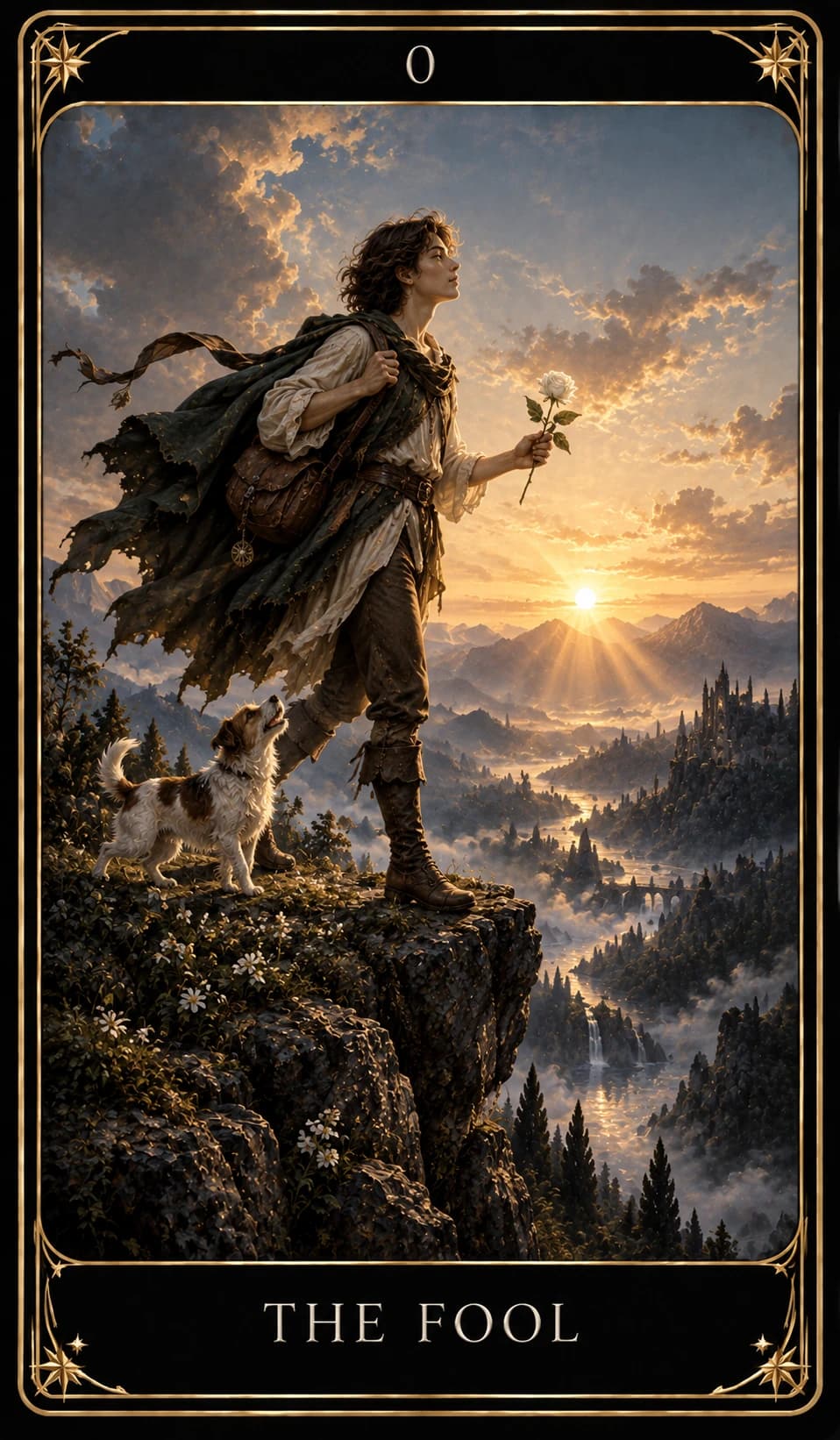
The Fool
Openness · Beginning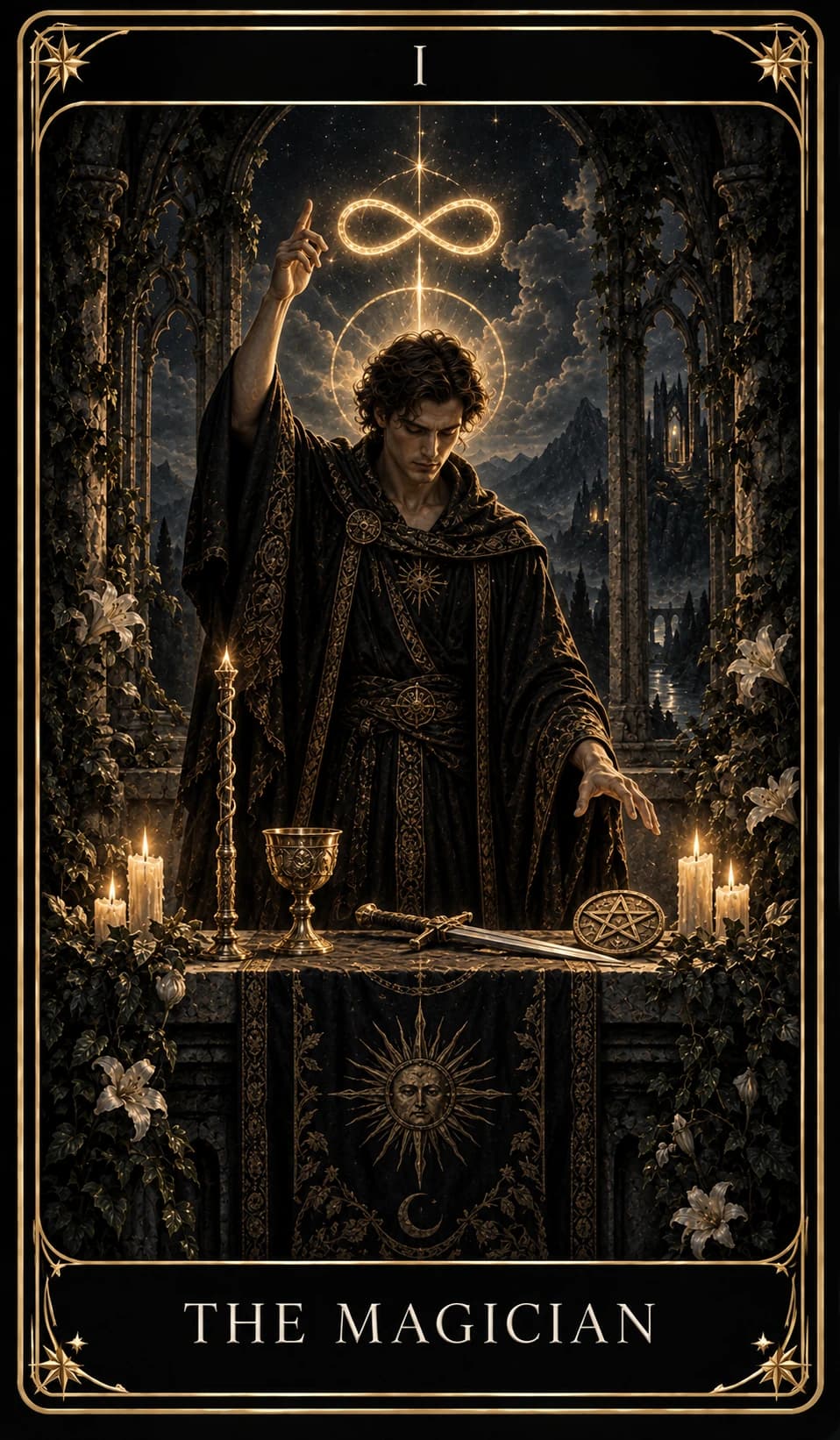
The Magician
Agency · Skill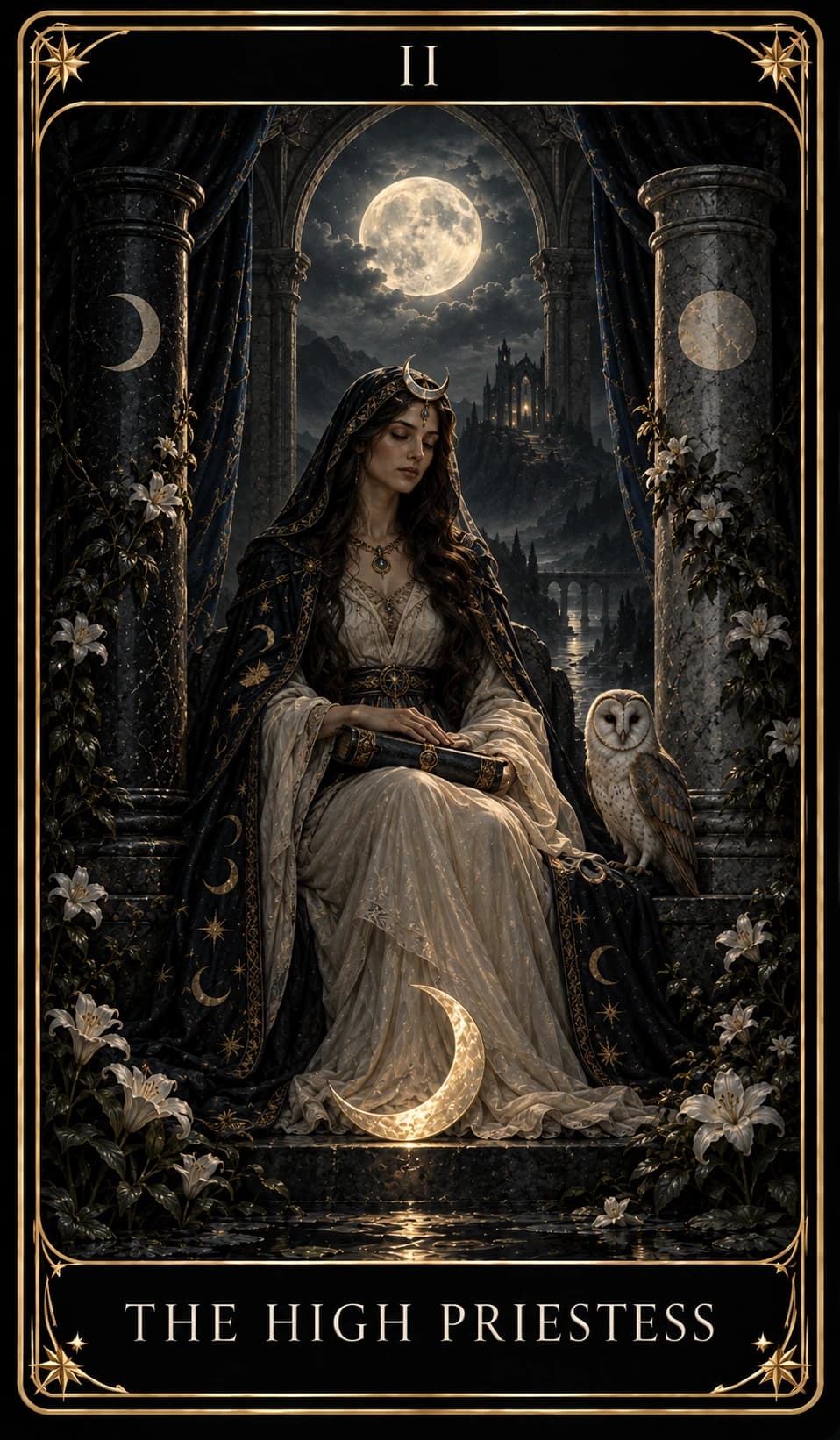
The High Priestess
Listening · Depth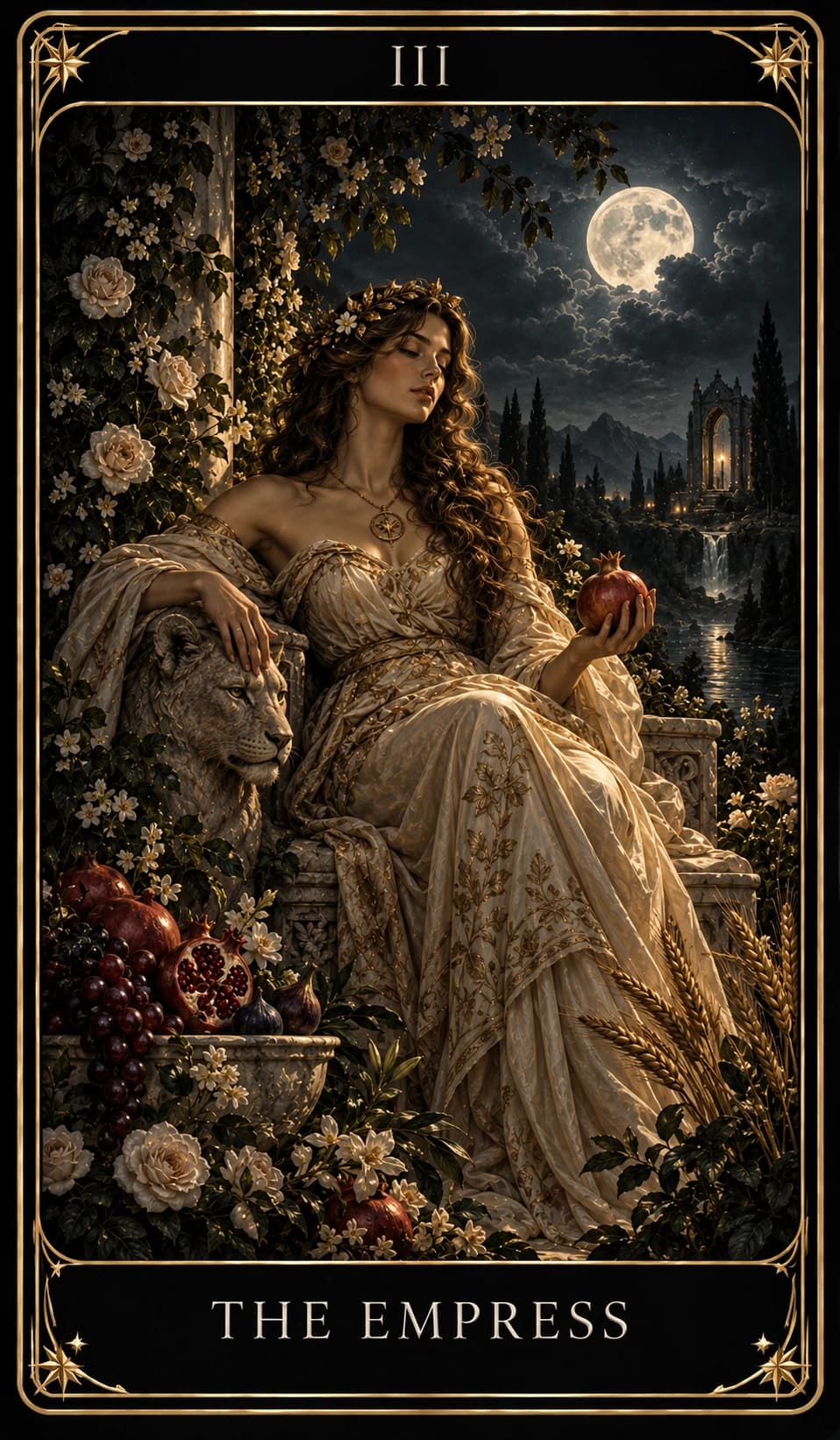
The Empress
Nurture · Creativity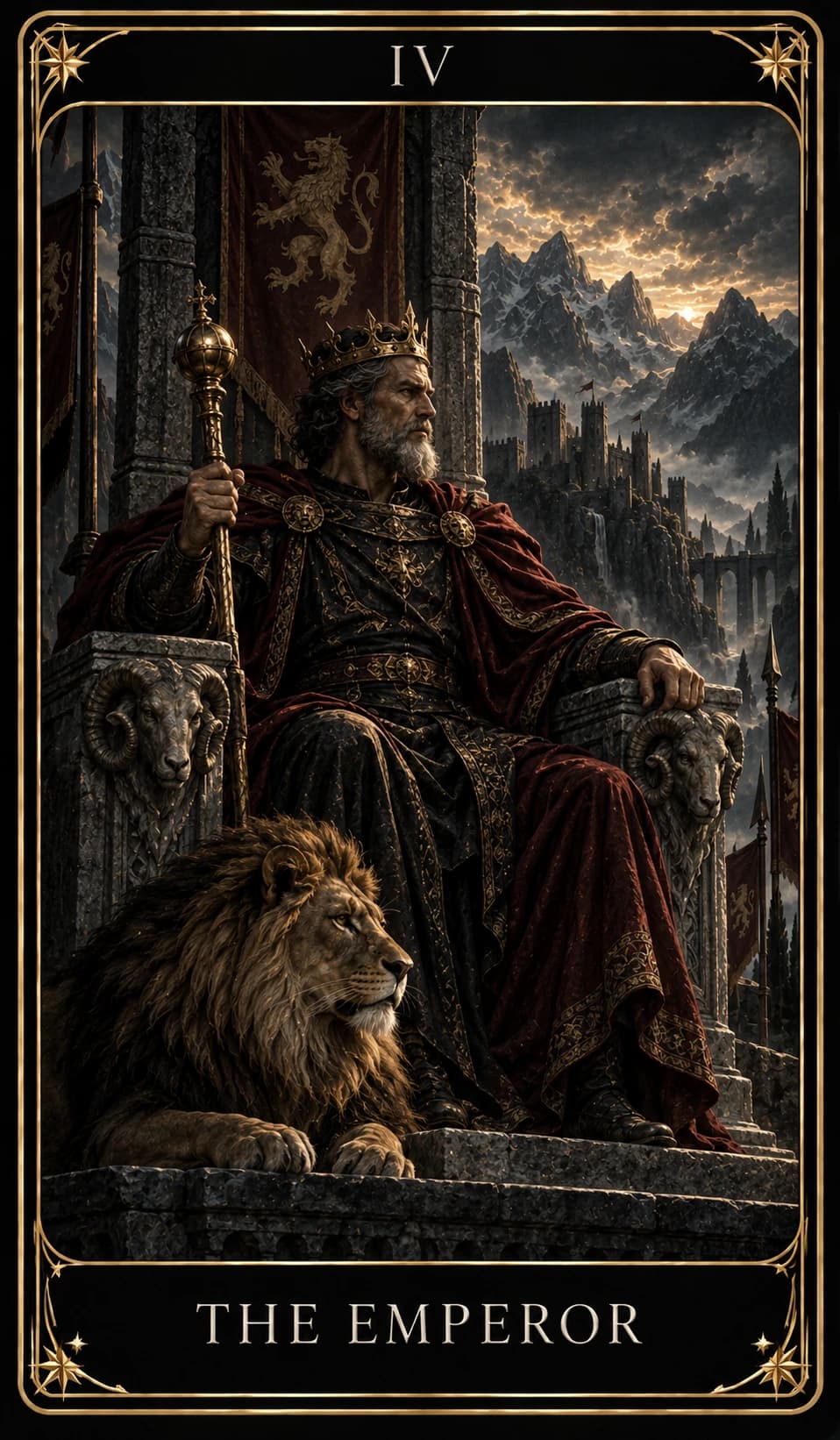
The Emperor
Structure · Responsibility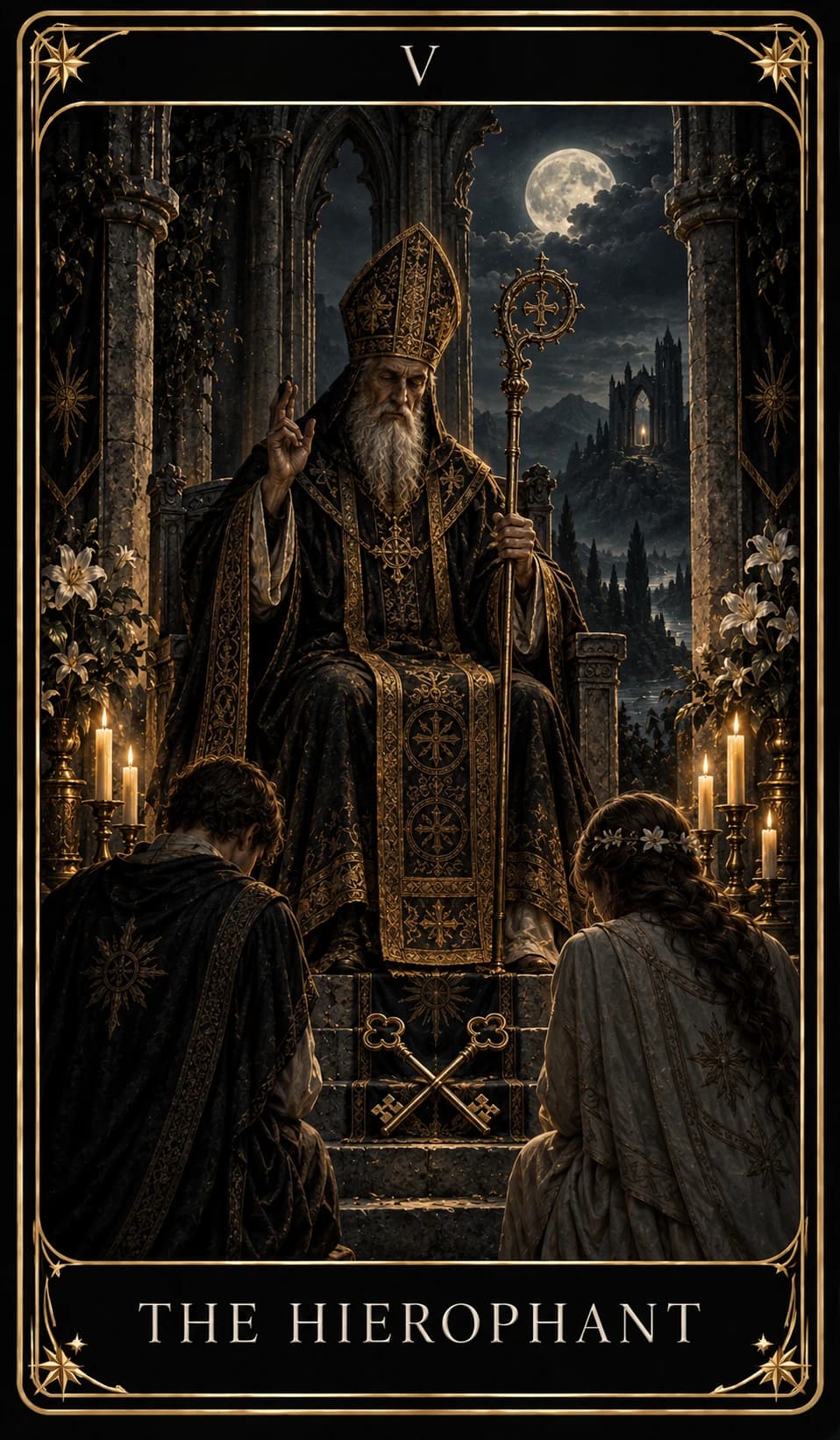
The Hierophant
Tradition · Learning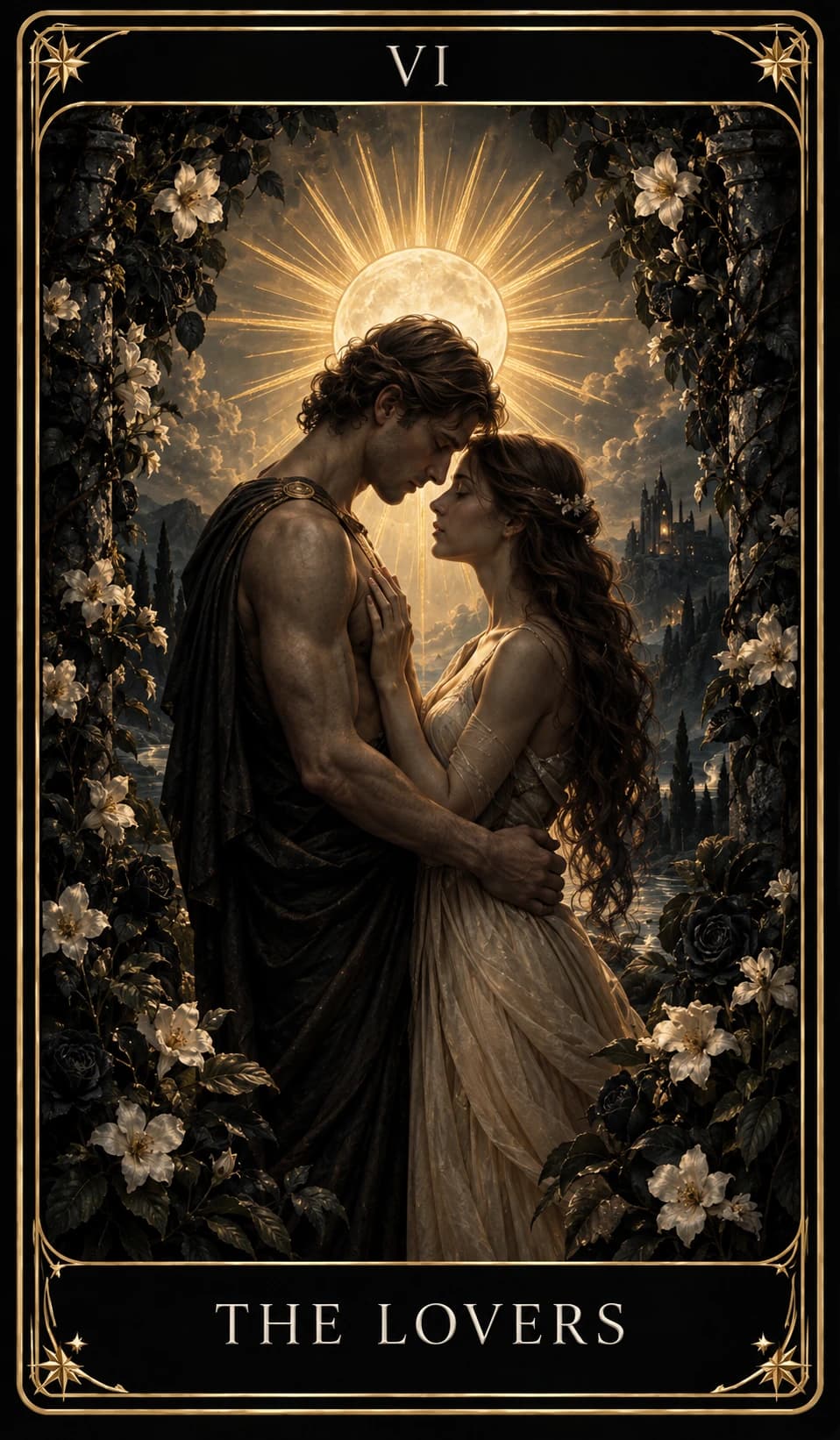
The Lovers
Alignment · Choice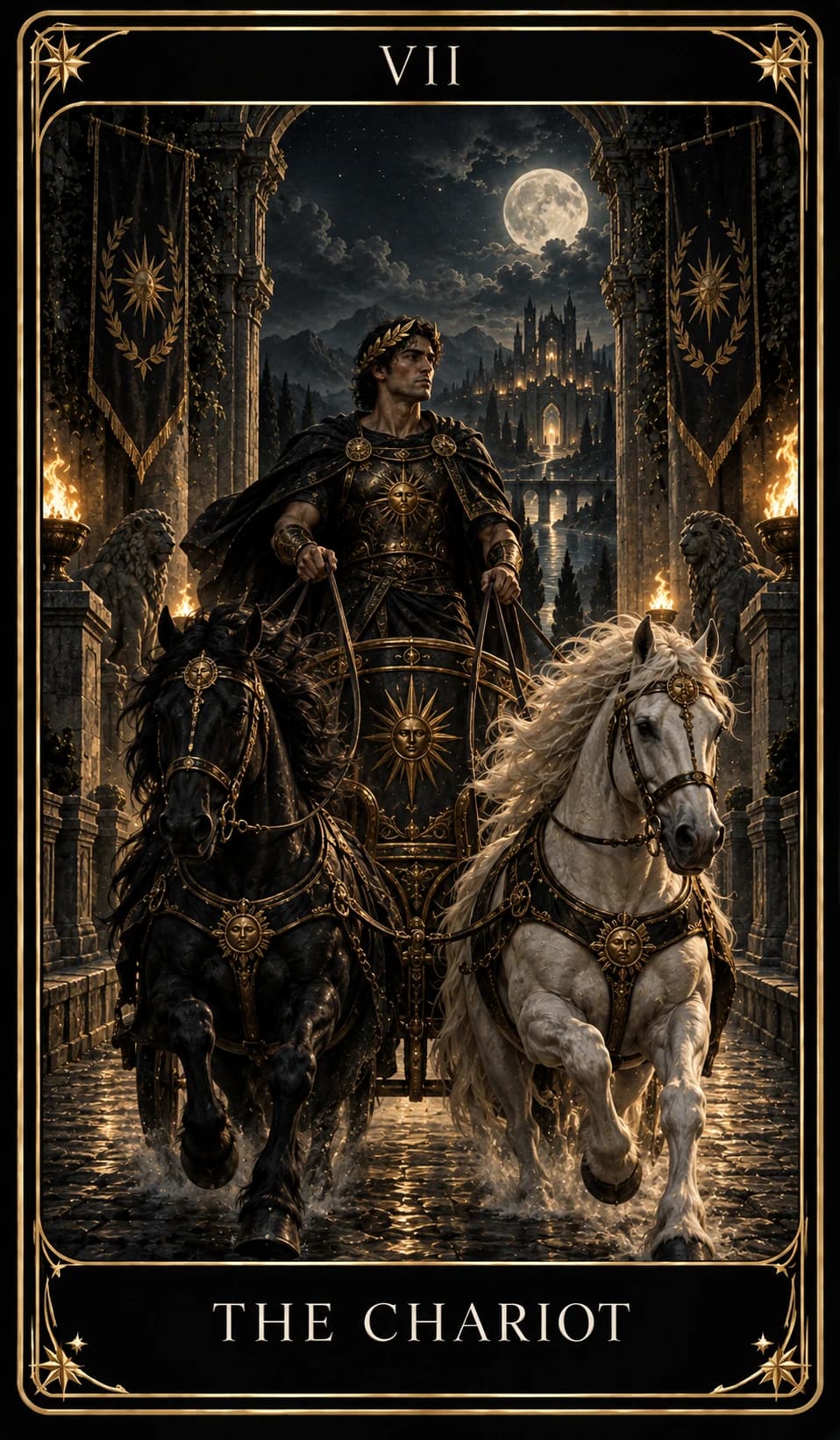
The Chariot
Direction · Discipline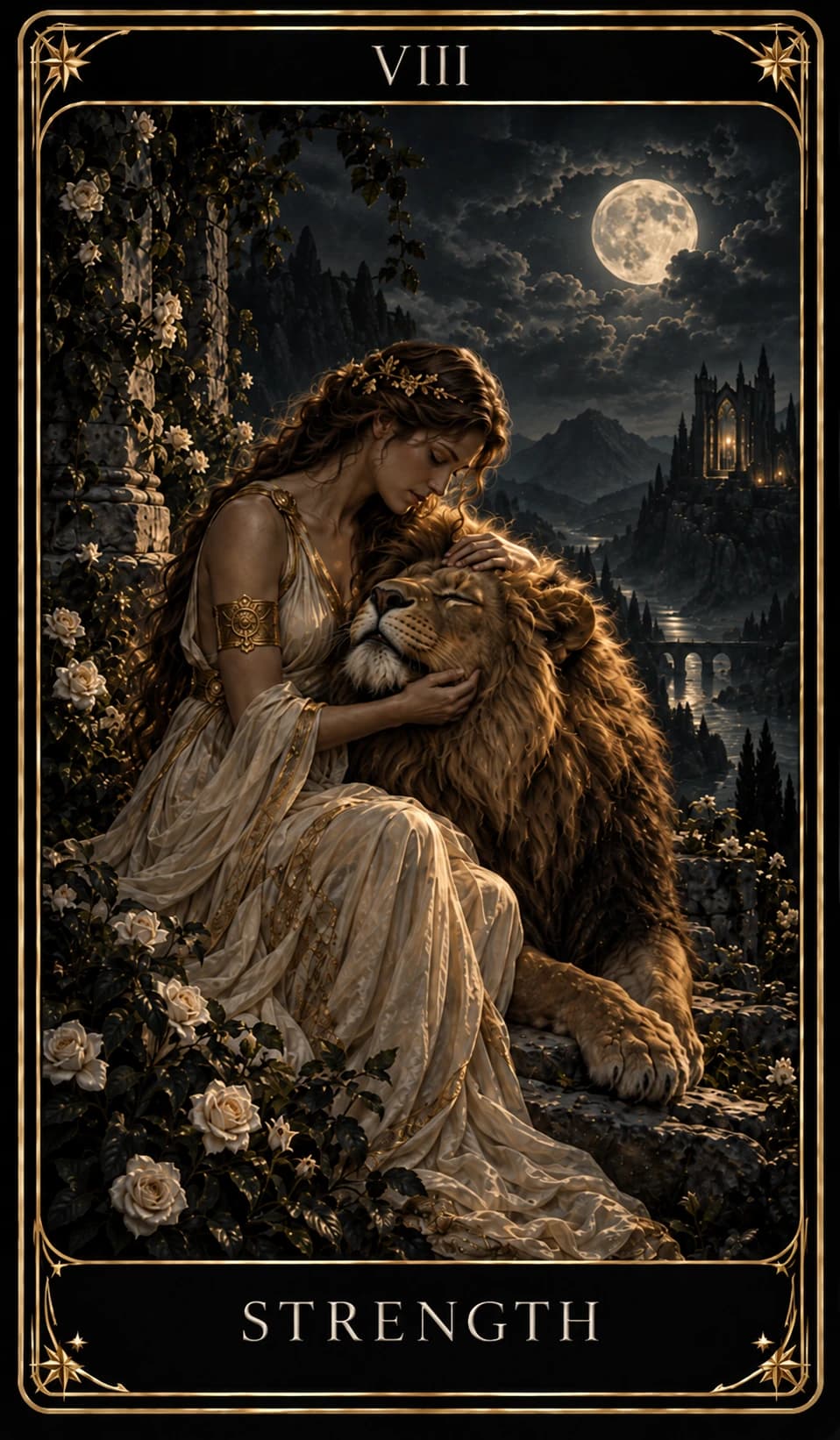
Strength
Steadiness · Compassion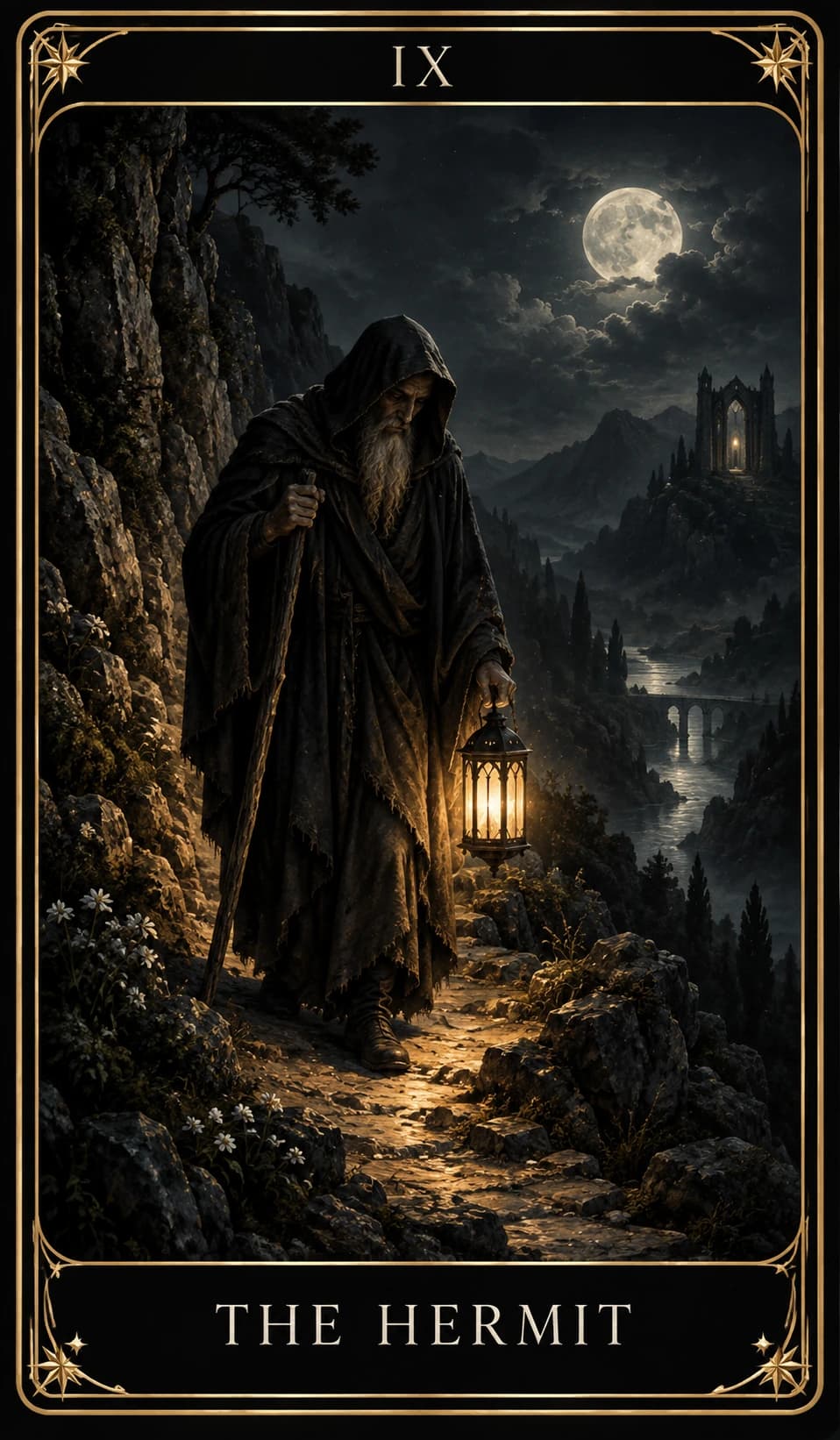
The Hermit
Reflection · Solitude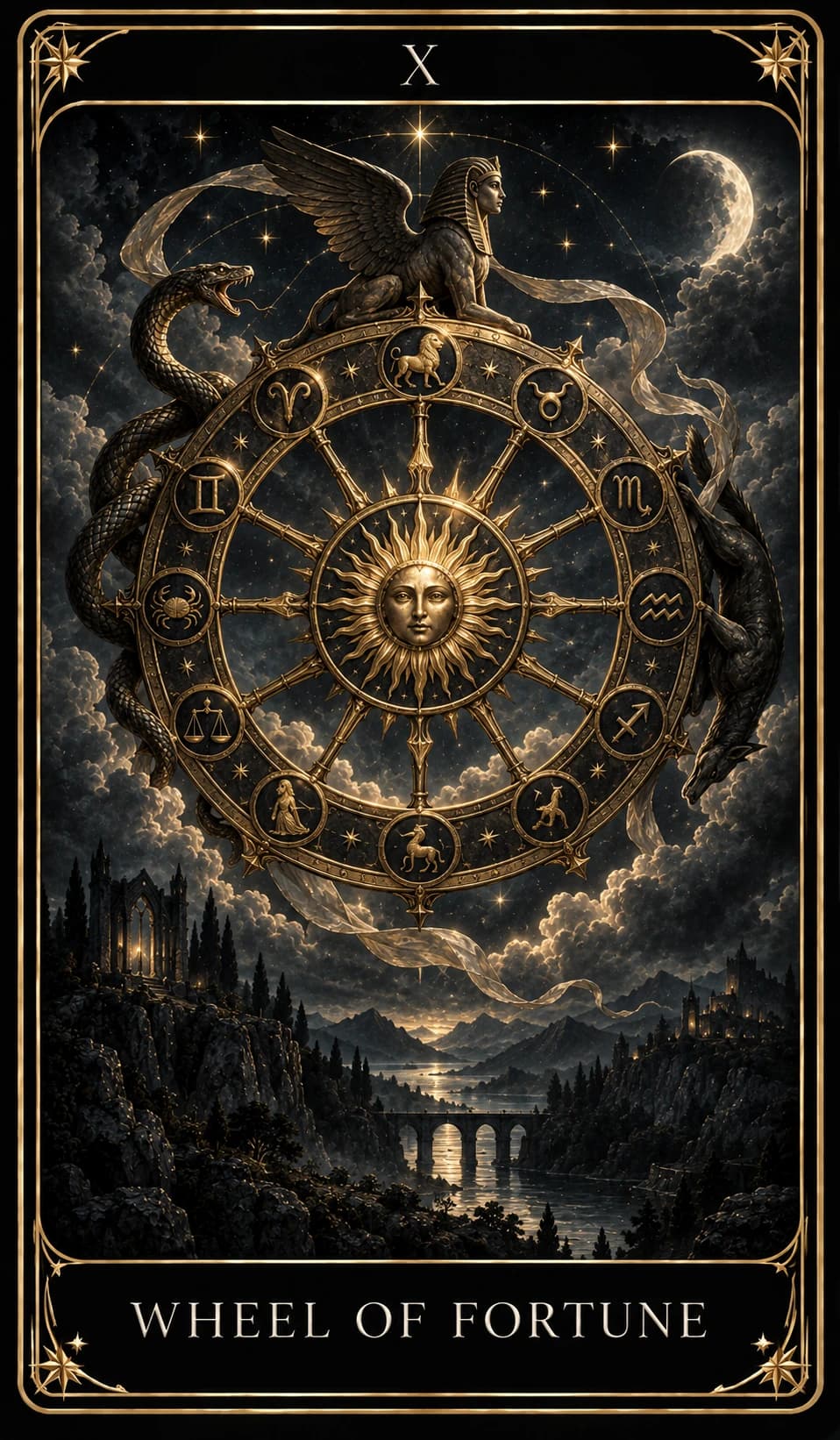
Wheel of Fortune
Cycles · Change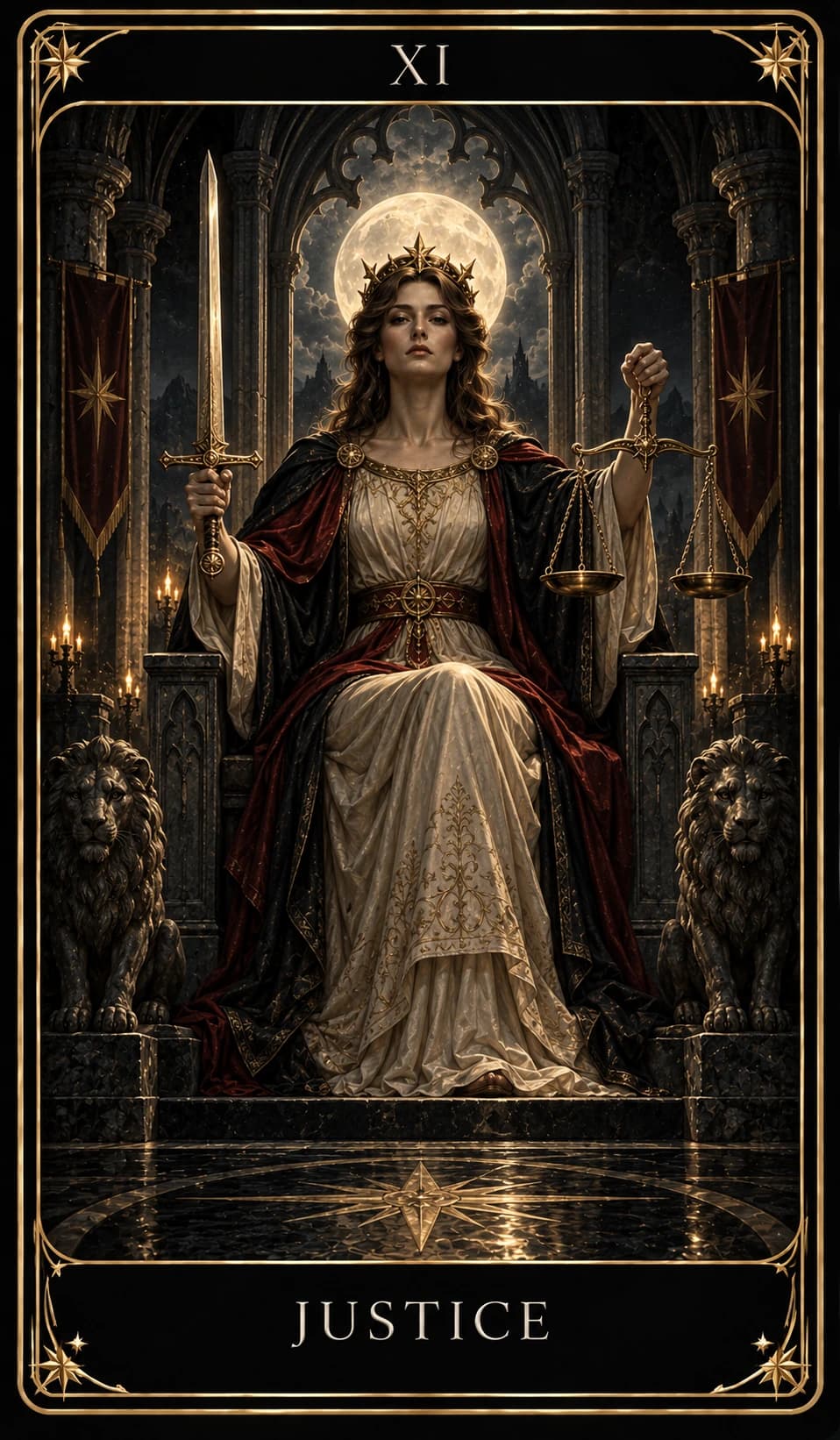
Justice
Fairness · Accountability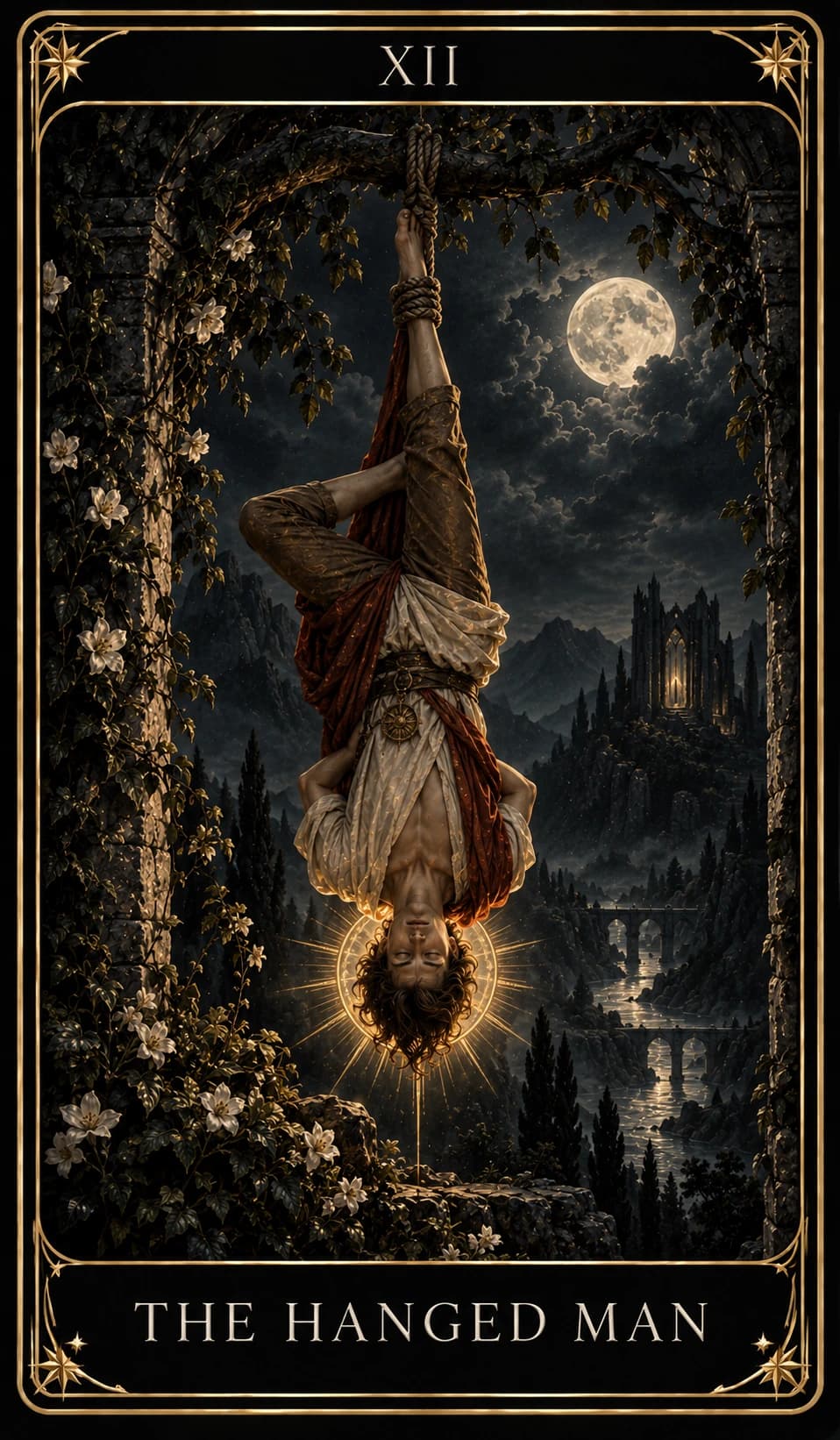
The Hanged Man
Perspective · Pause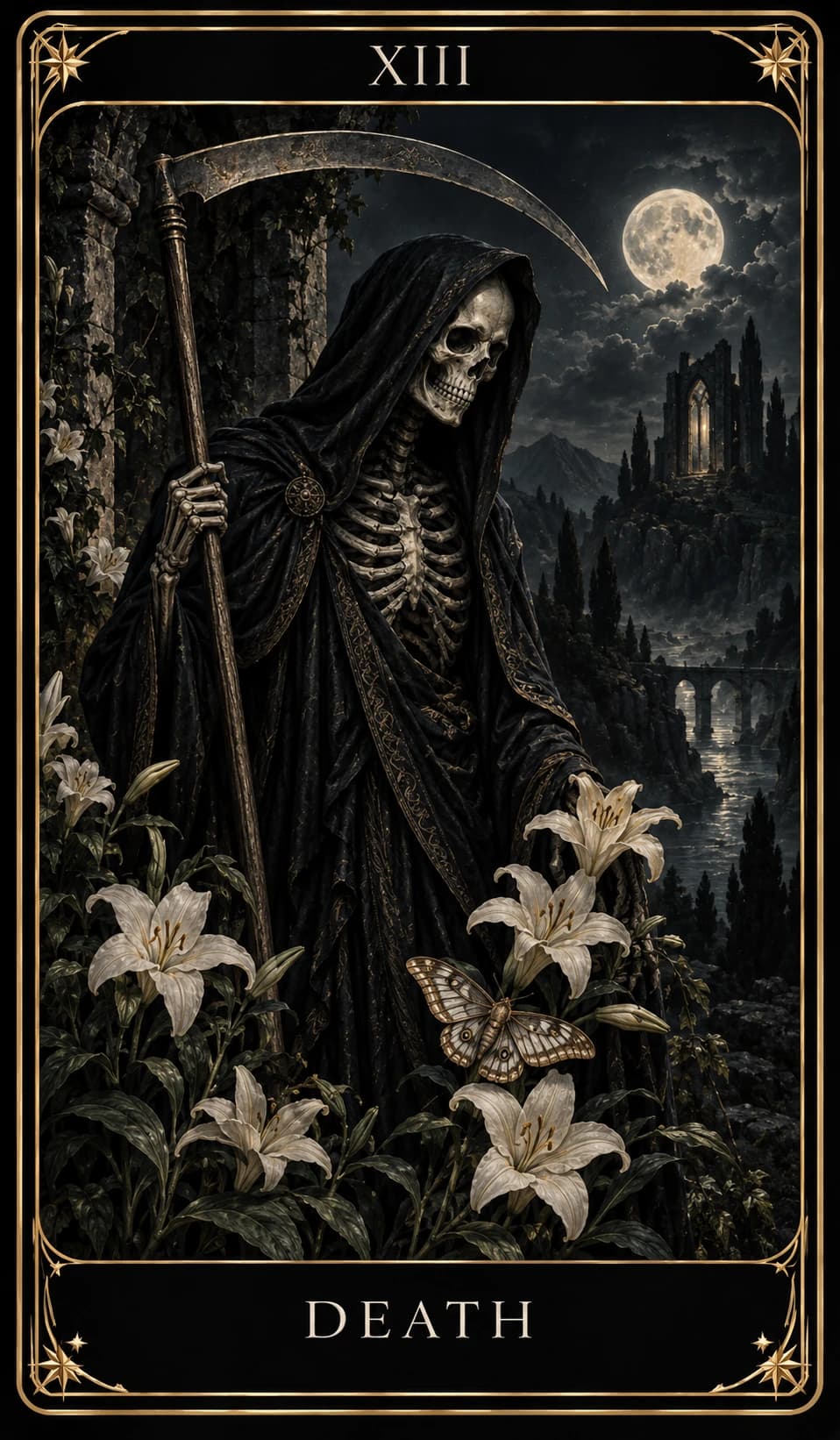
Death
Transition · Ending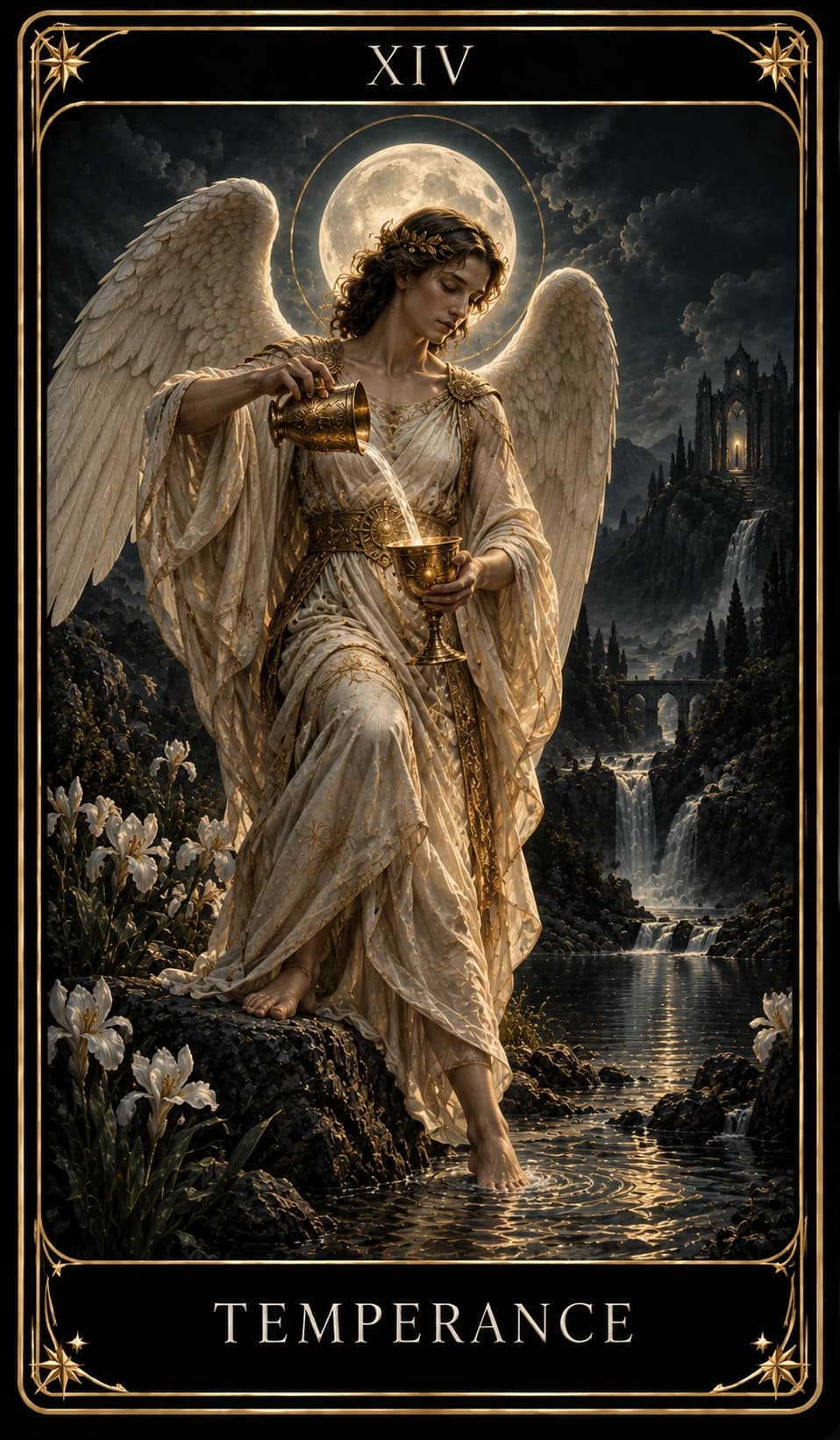
Temperance
Integration · Proportion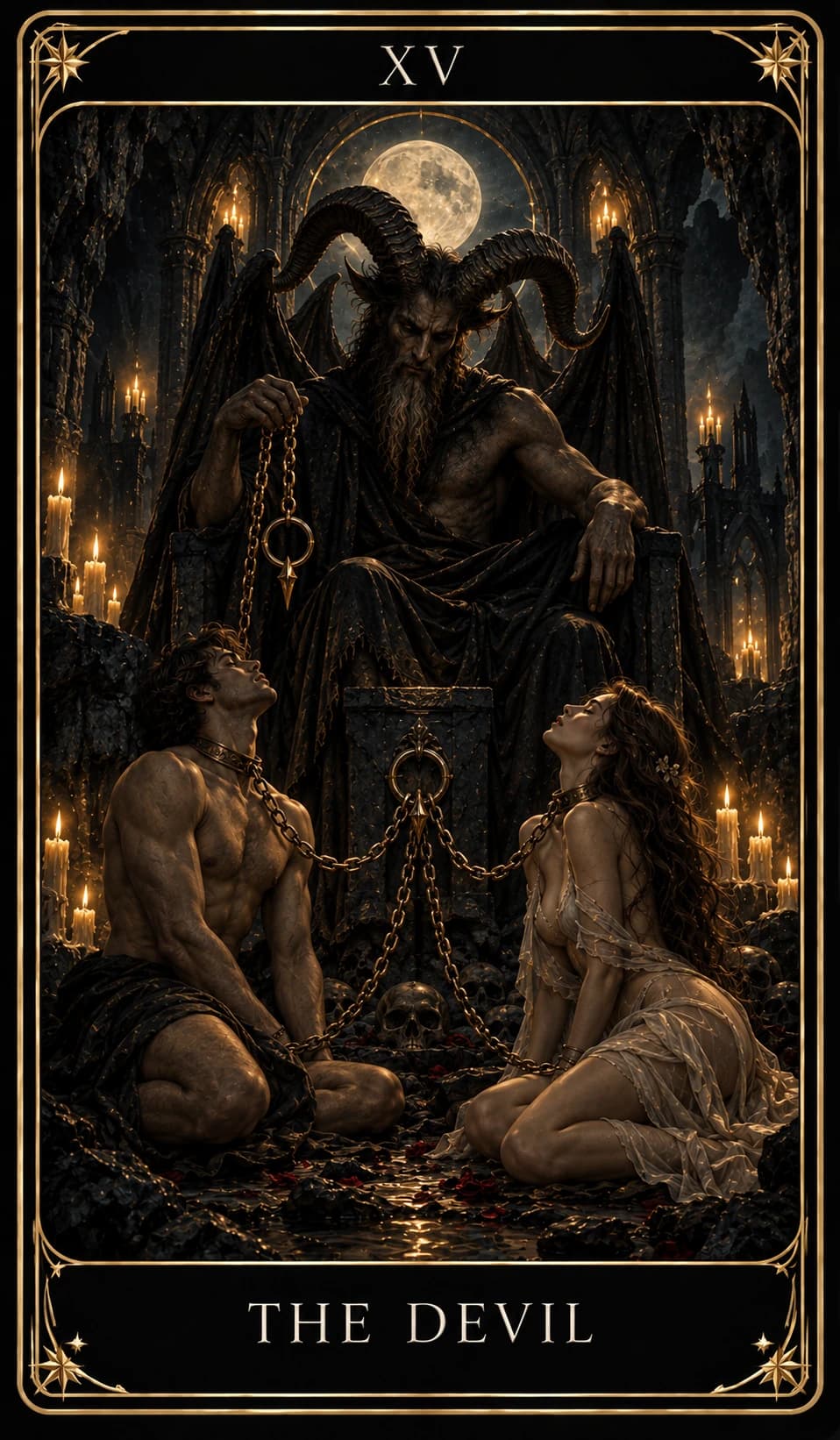
The Devil
Attachment · Constraint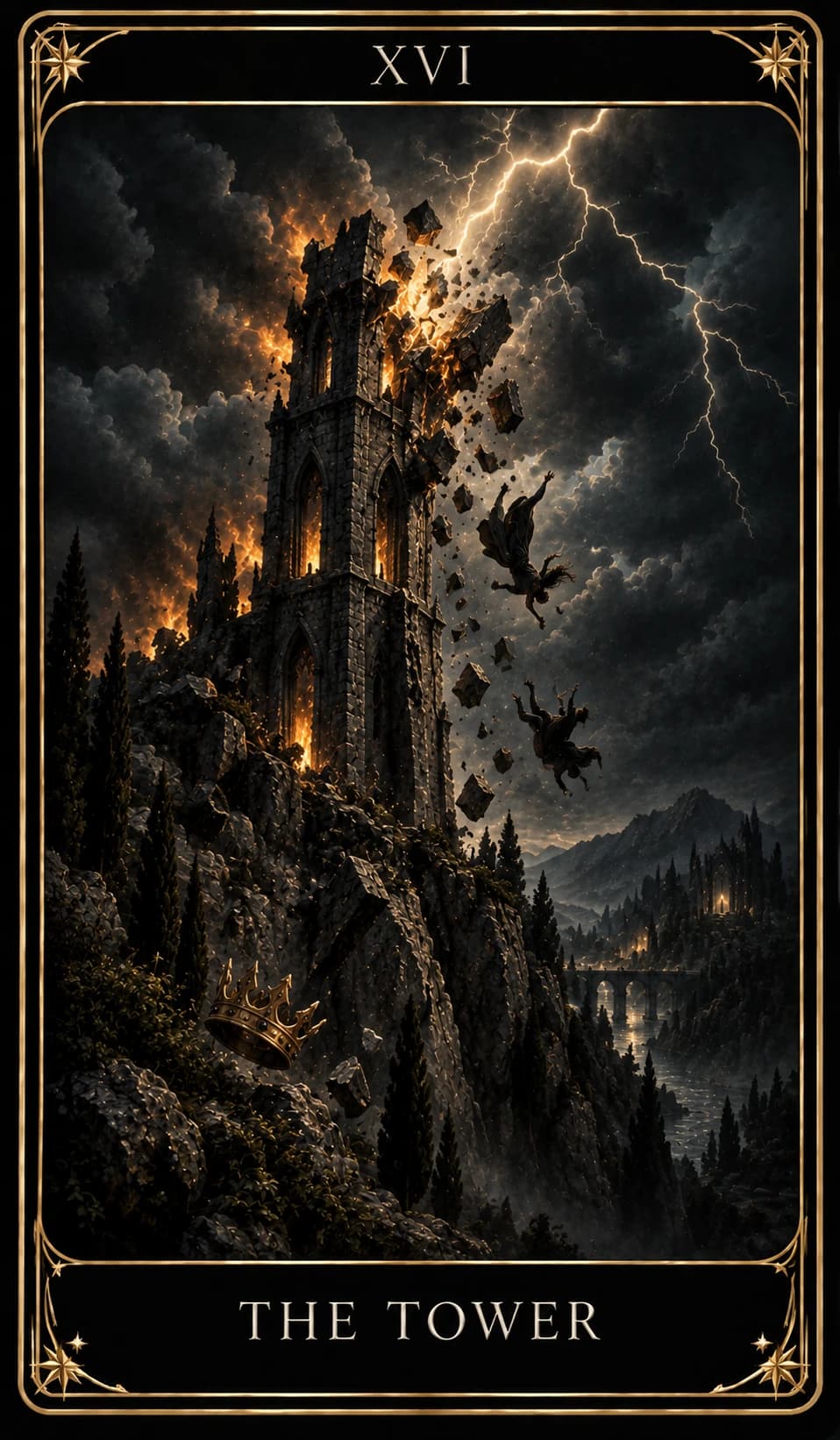
The Tower
Disruption · Exposure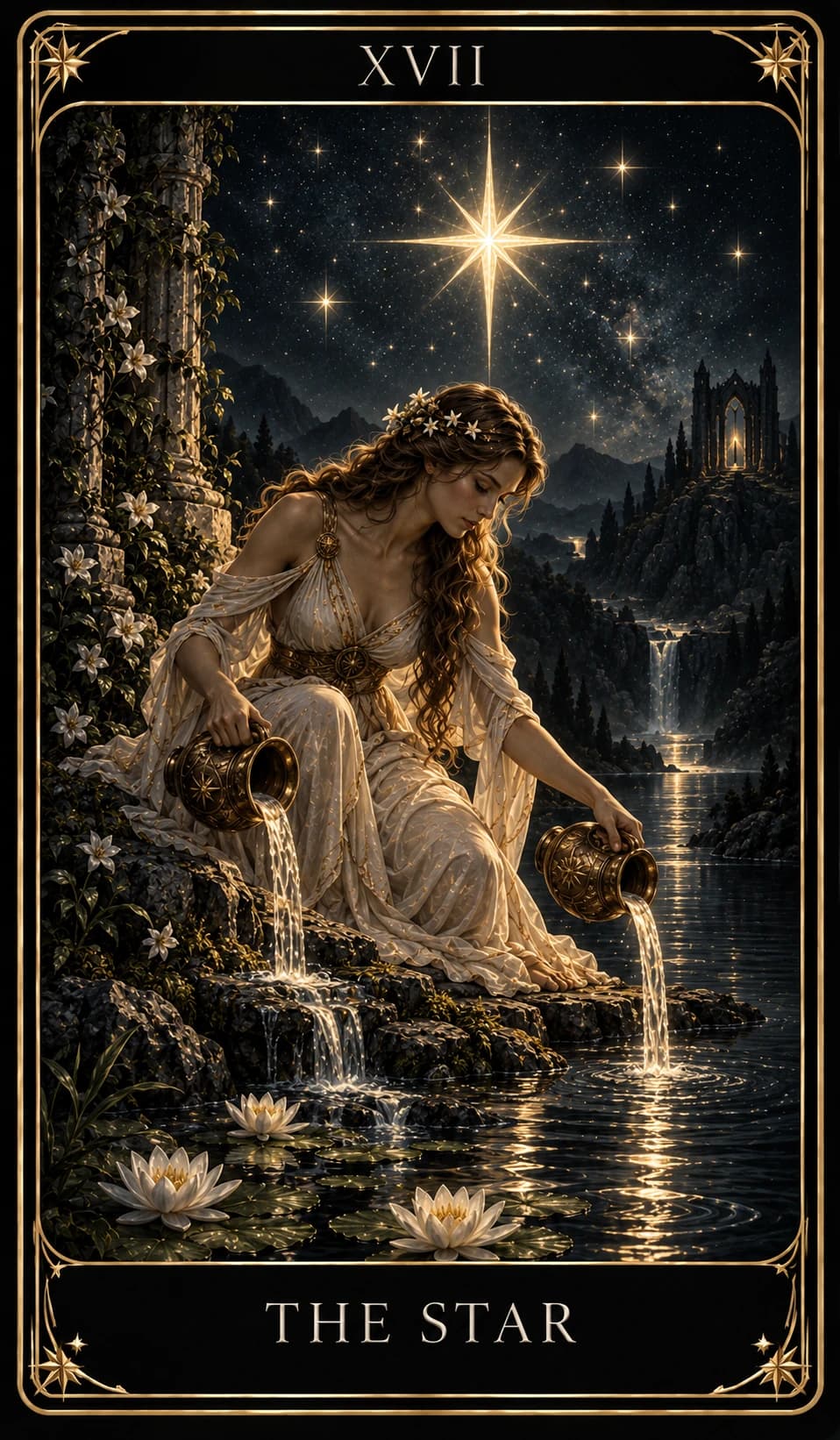
The Star
Renewal · Openness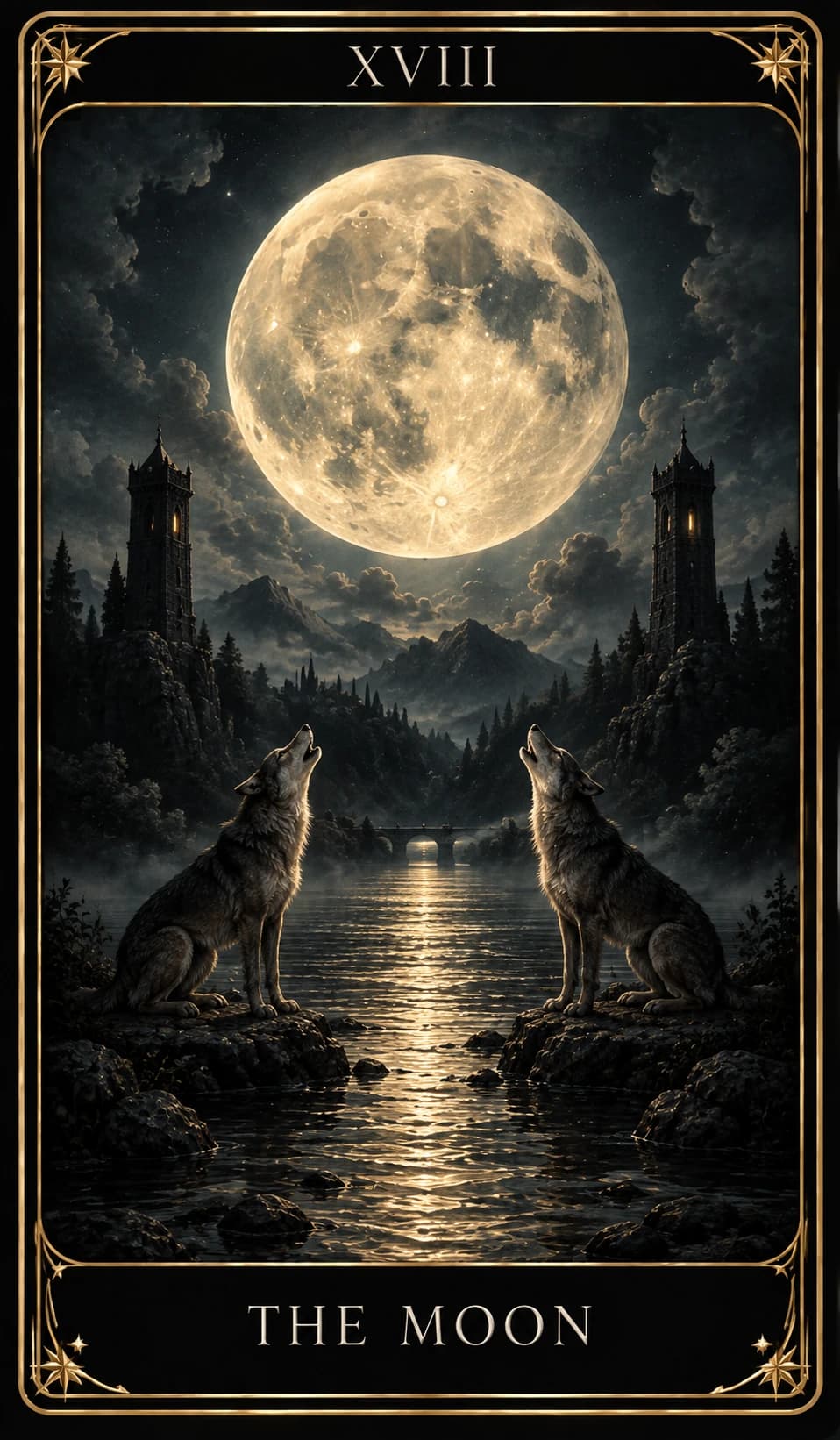
The Moon
Uncertainty · Imagination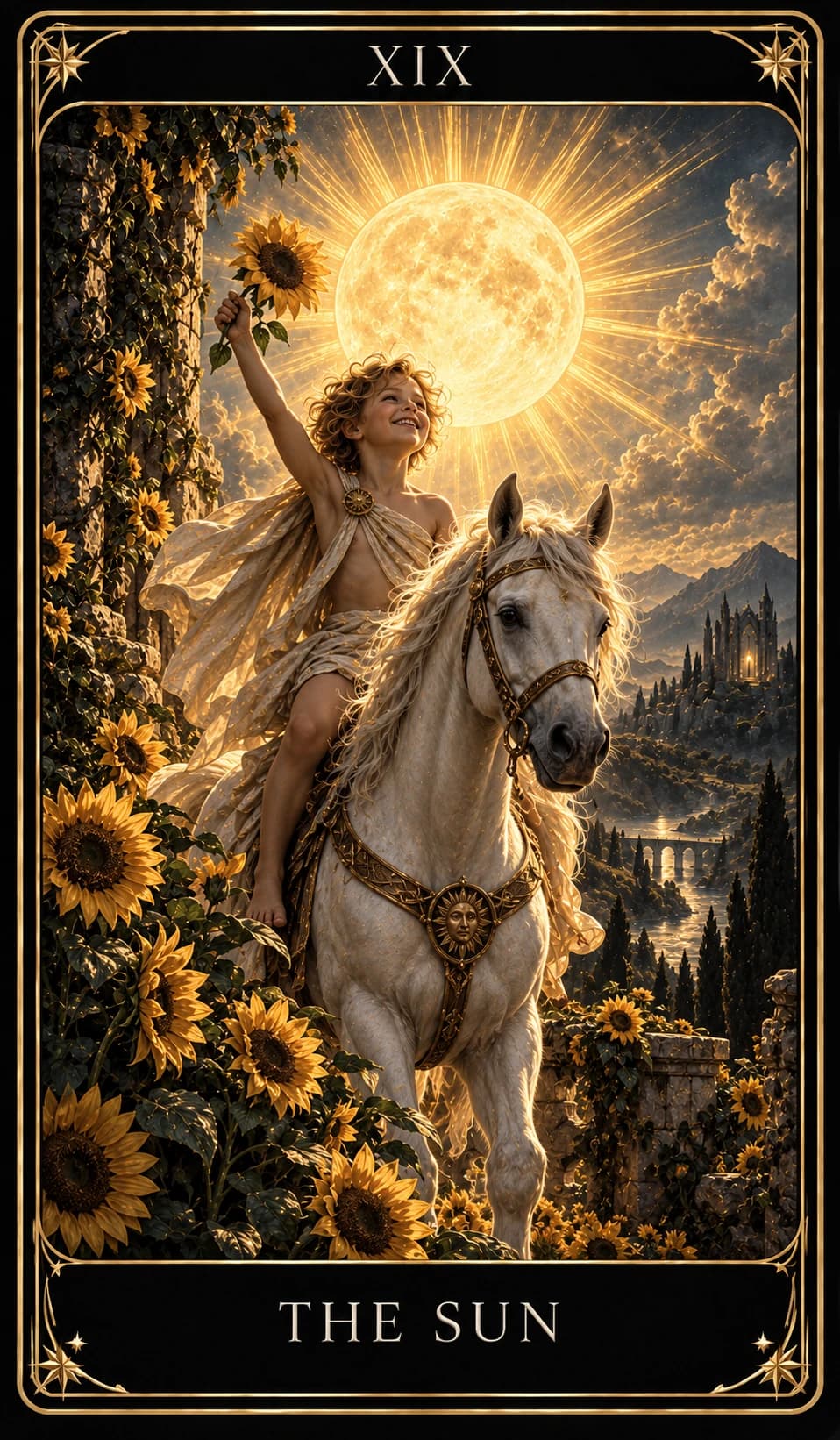
The Sun
Clarity · Vitality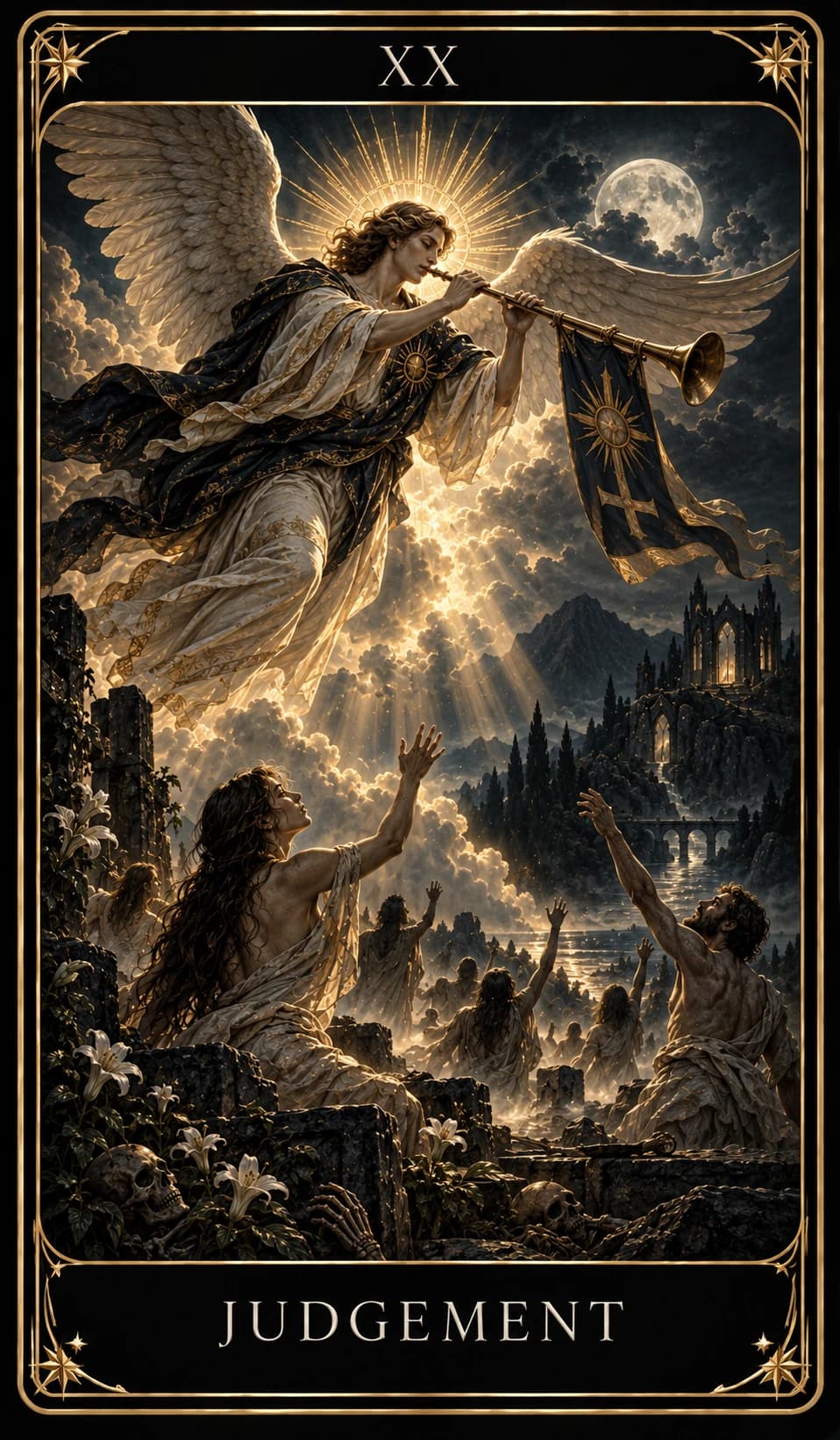
Judgement
Reckoning · Renewed purpose